
Jent de Fascia: The Human Face of the Dolomites
Discover the "Jent de Fascia" (People of Fassa) series: More than a biographical collection; it is an act of cultural preservation. Through books and theatrical performances, DIGICHer project partner, the Istitut Cultural Ladin gives voice to the men and women who, while living among the Dolomite peaks, possessed a far-reaching vision that made them pillars of Ladin identity.
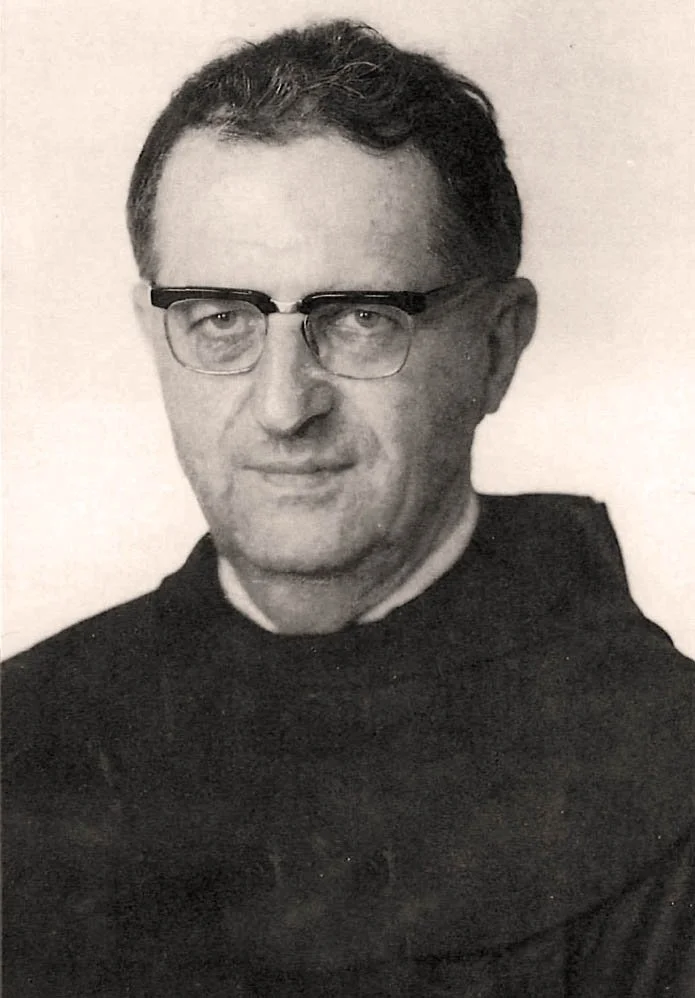
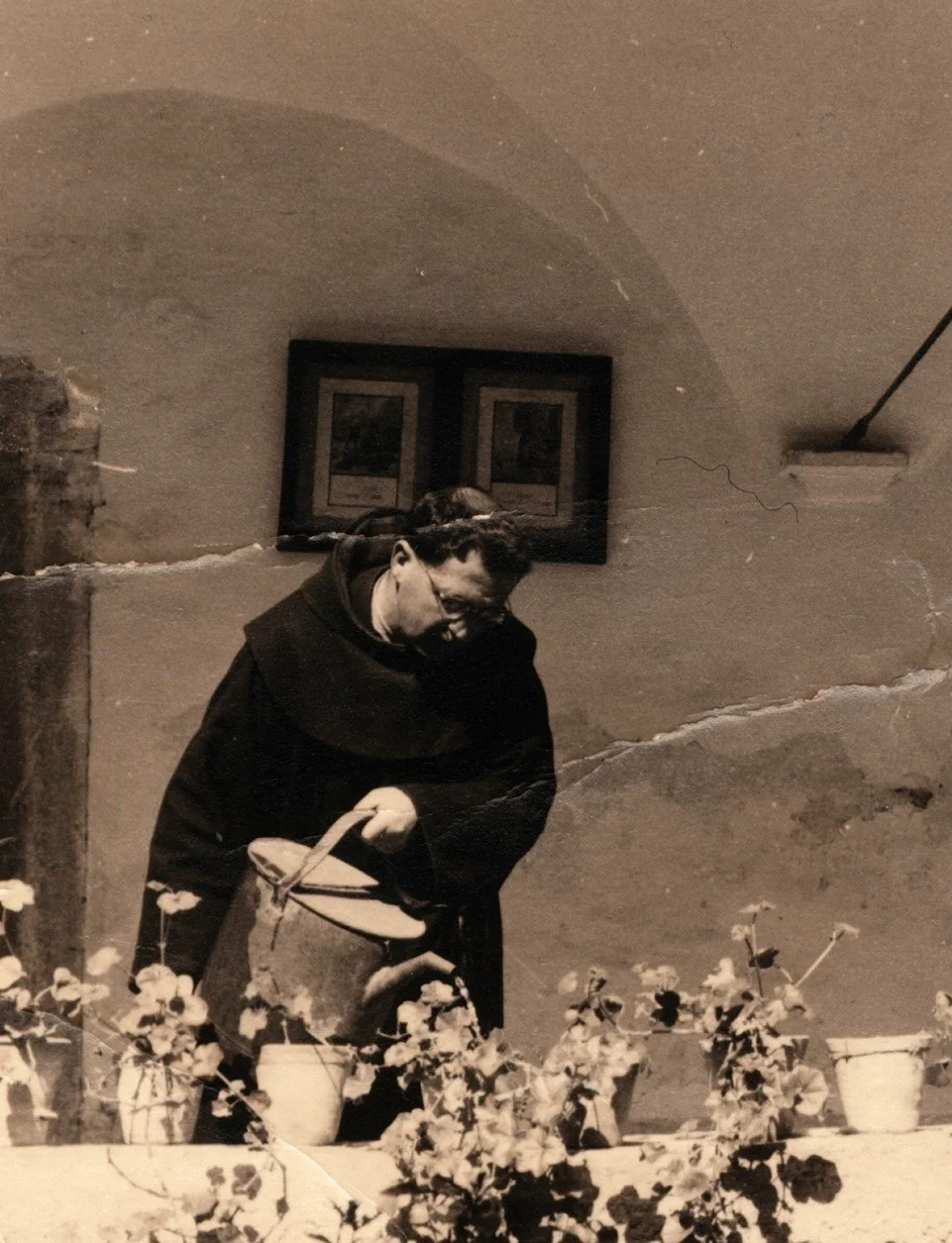
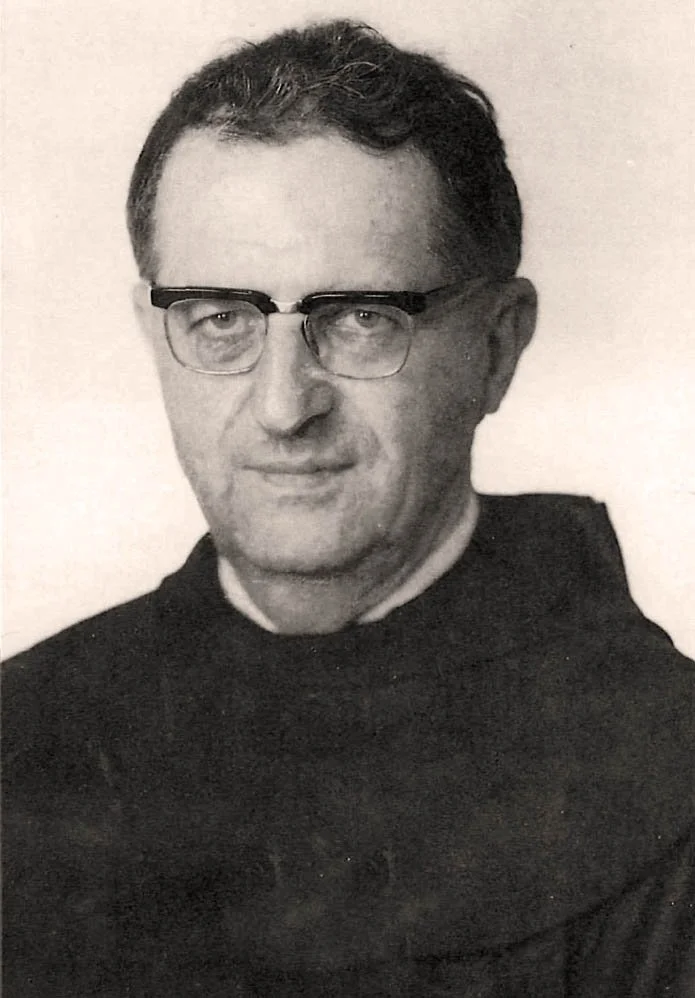
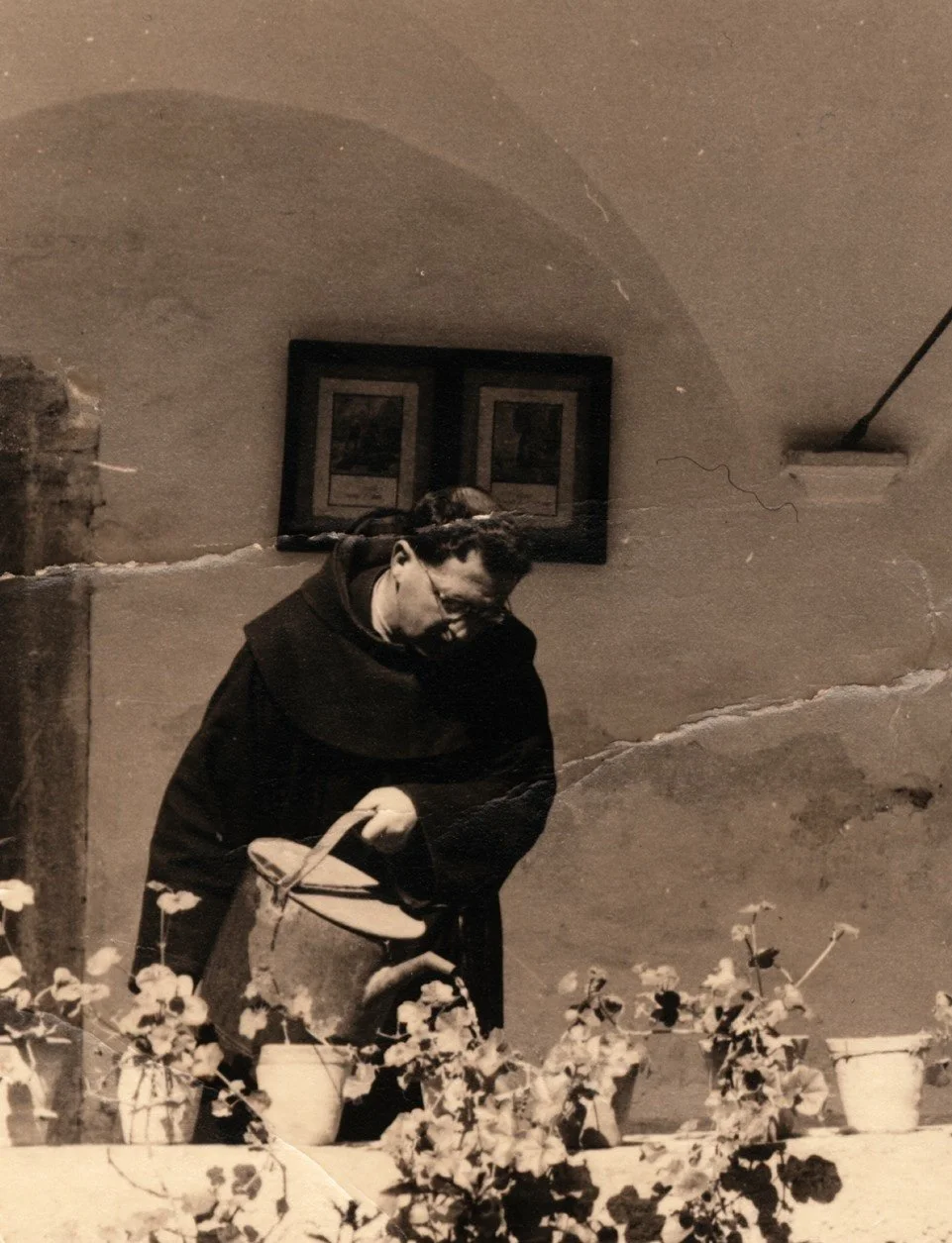
Father Frumenzio Ghetta (1920–2014): The Archaeologist of the Fassa Soul
Born Alberto Antonio Ghetta, Father Frumenzio was far more than a Franciscan friar. A paleographer and tireless scholar, he dedicated his life to filling a void: the absence of the Fassa Valley from history books. By rescuing documents from flood mud and deciphering ancient Gothic texts, he restored millennial roots to his people. From discovering the Pigui archaeological site to resolving centuries-old border disputes on the Marmolada glacier, Frumenzio proved that language and history are the true symbols of a nation's identity. The "Majon di fascegn" (the Ladin Cultural Institute), initiated and supported by him, stands today as the home of this rediscovered memory.

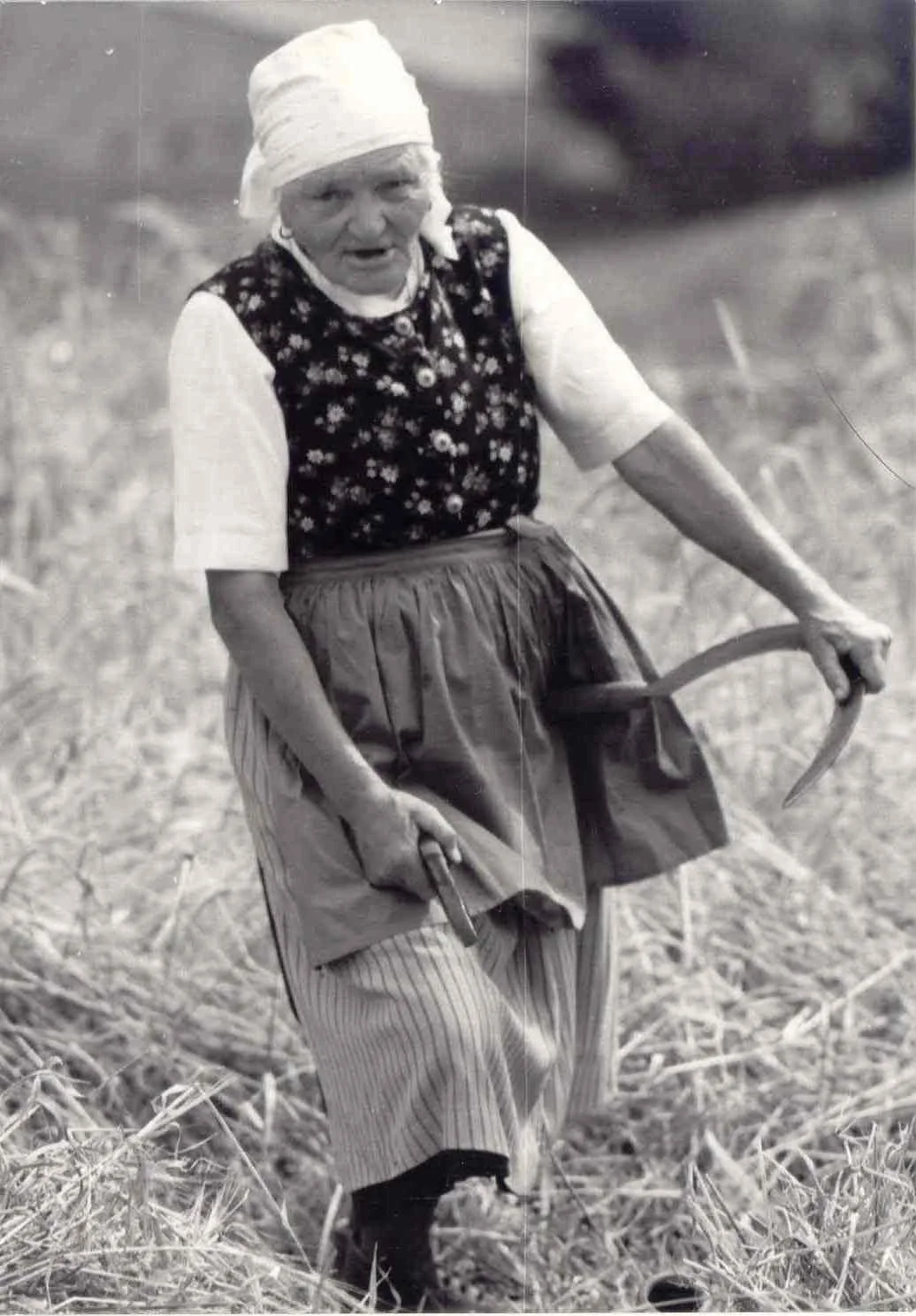
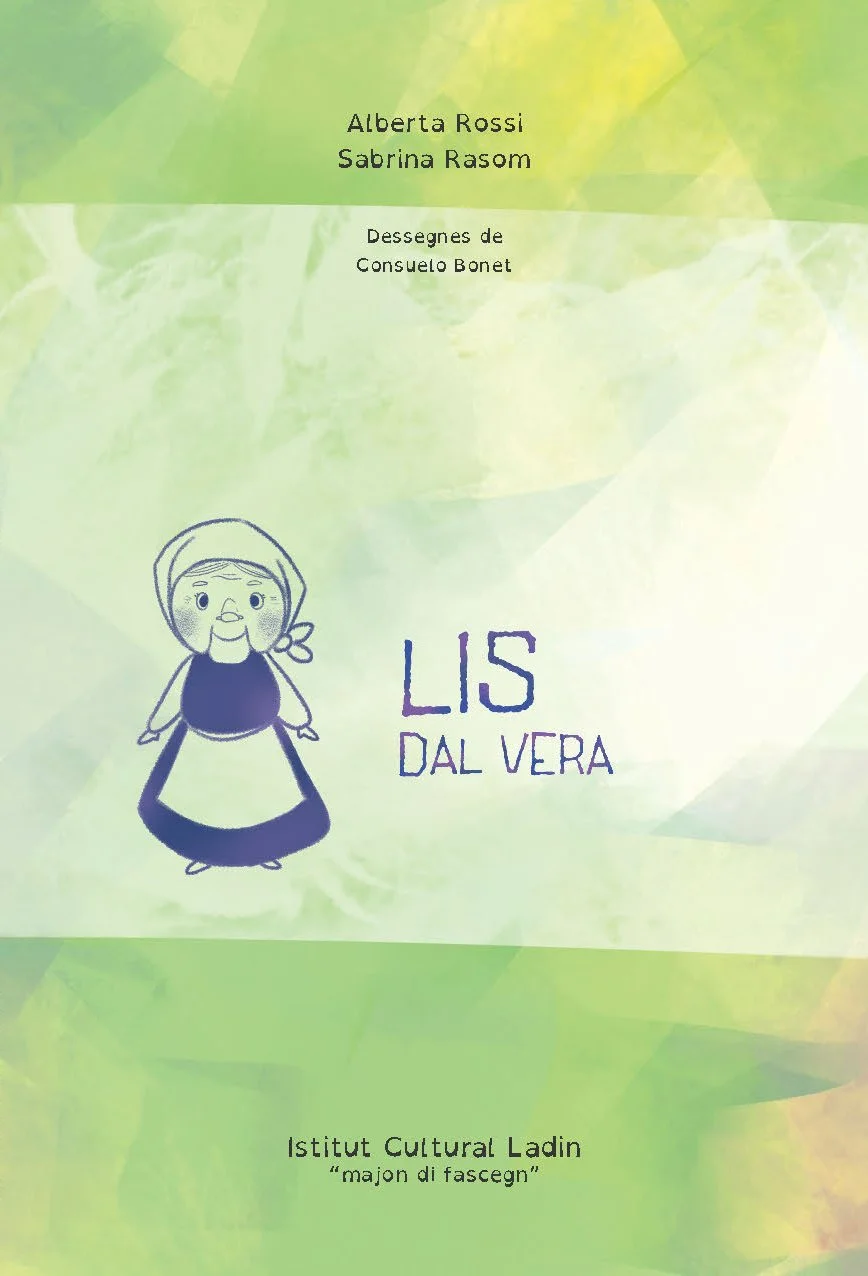
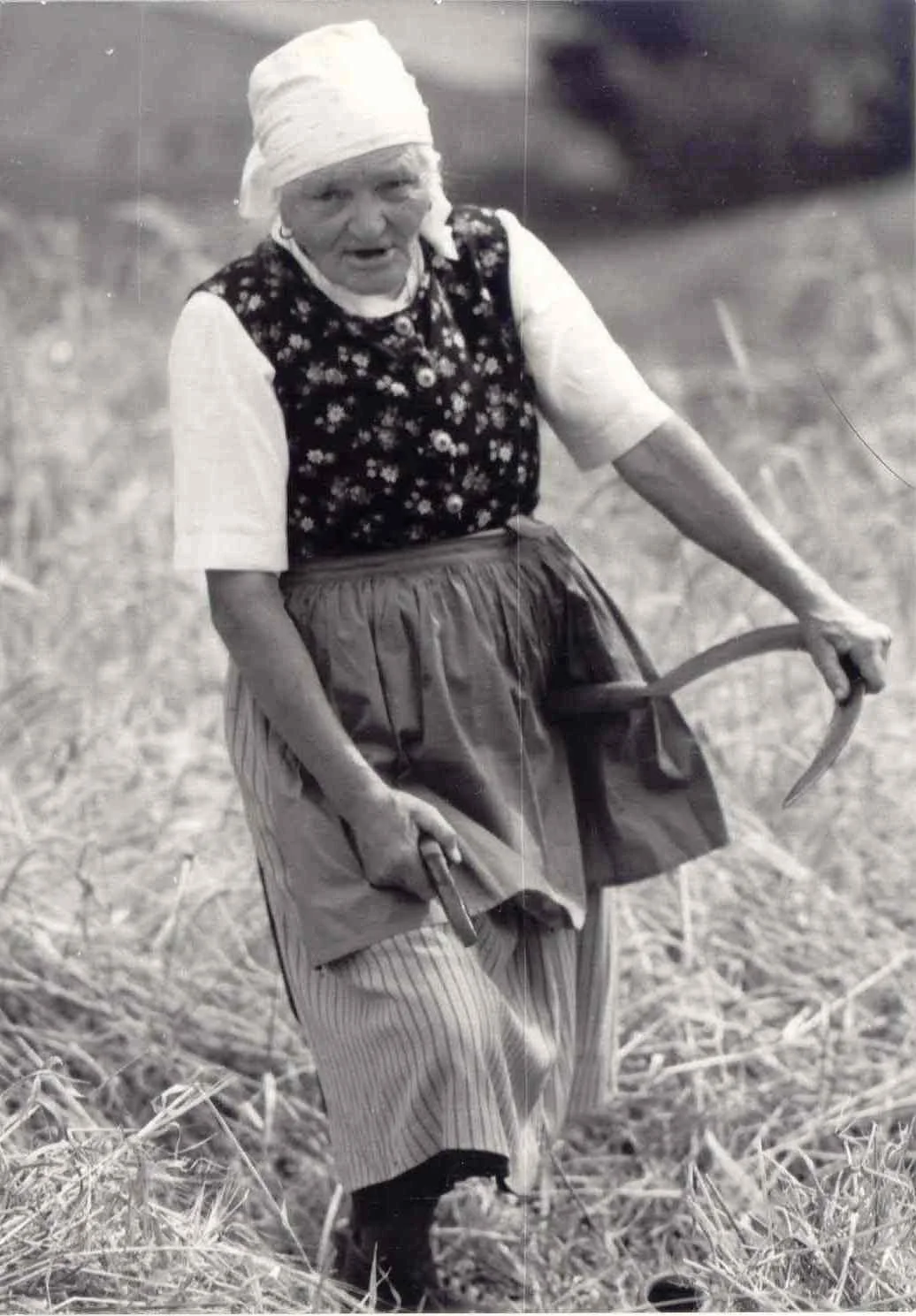
Lis dal Vera (1911–1995): The Strength of the Land
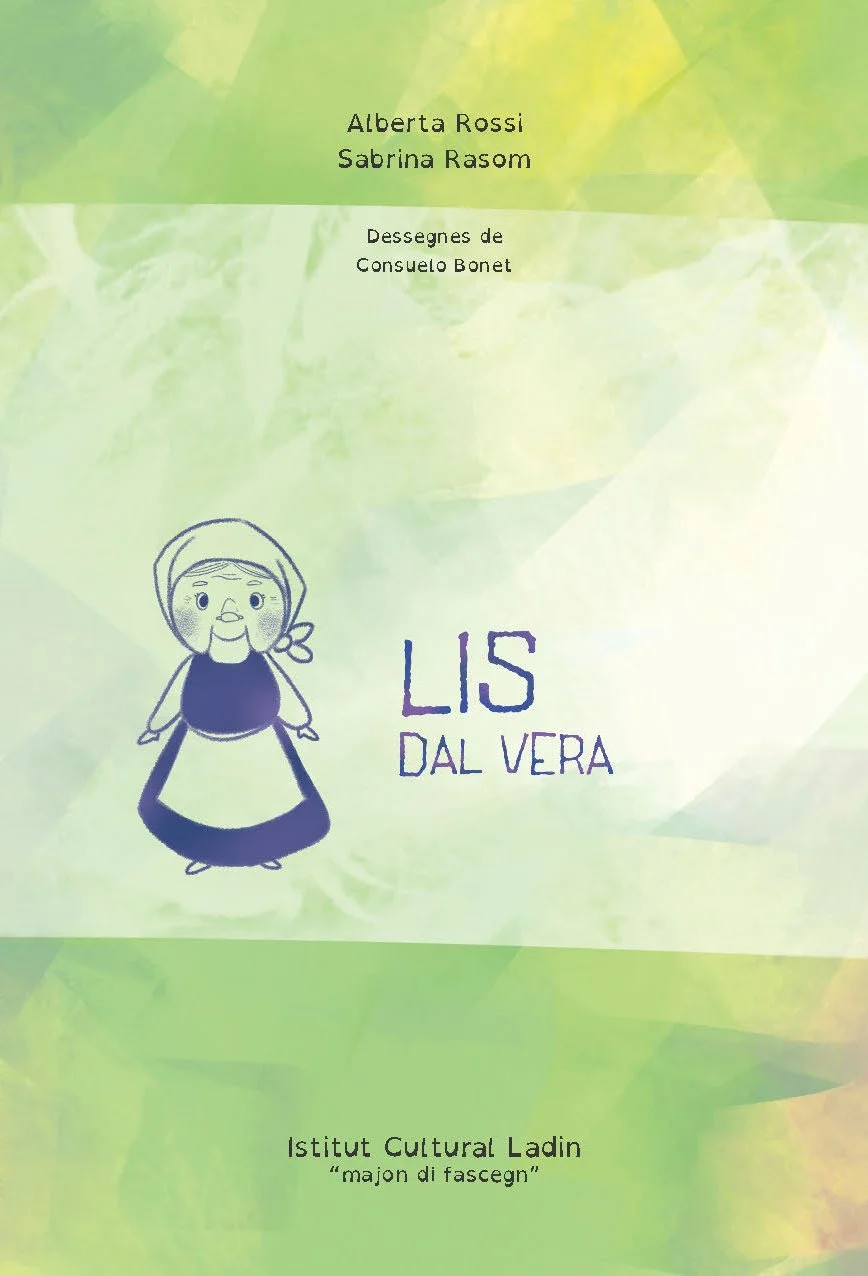
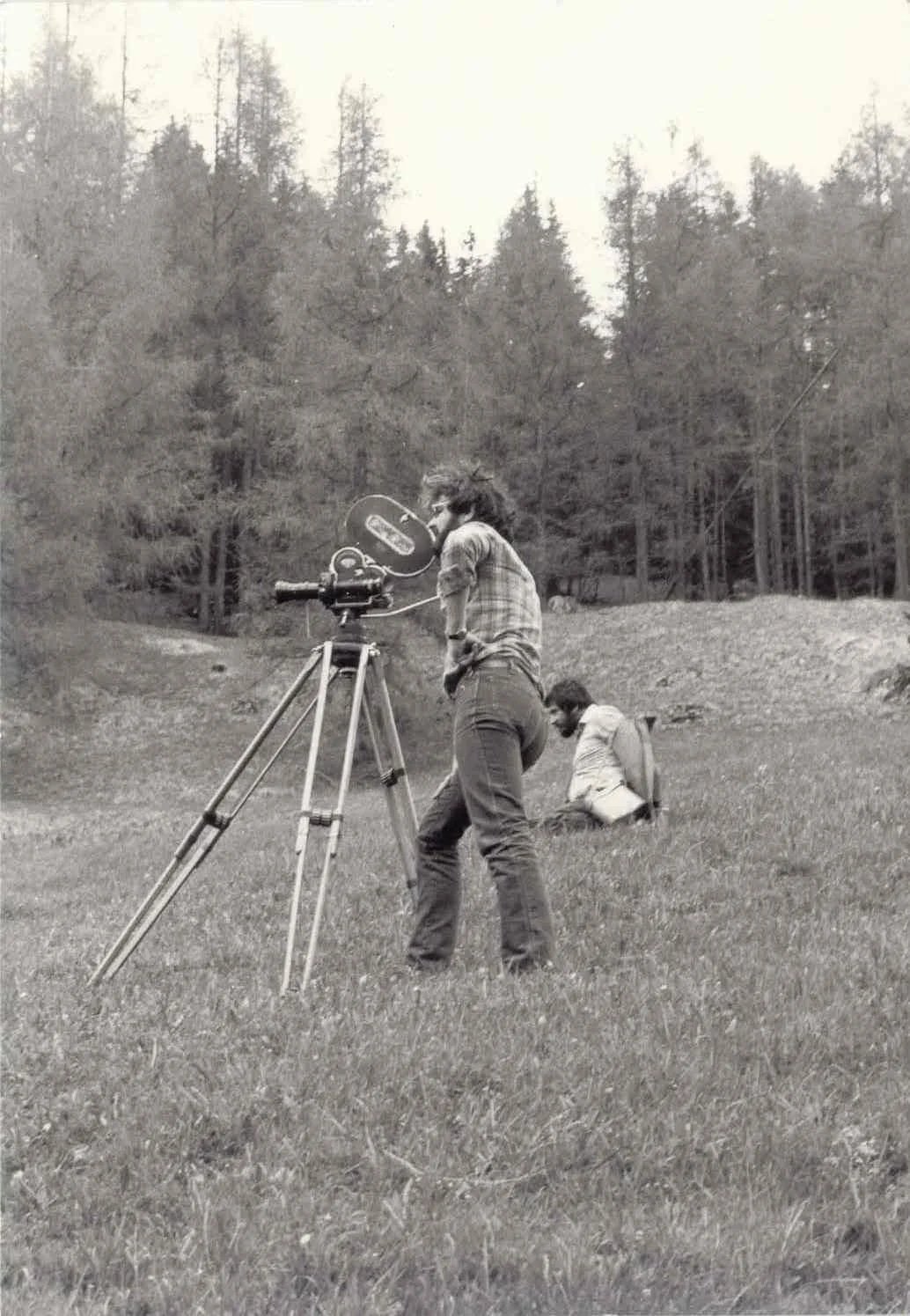
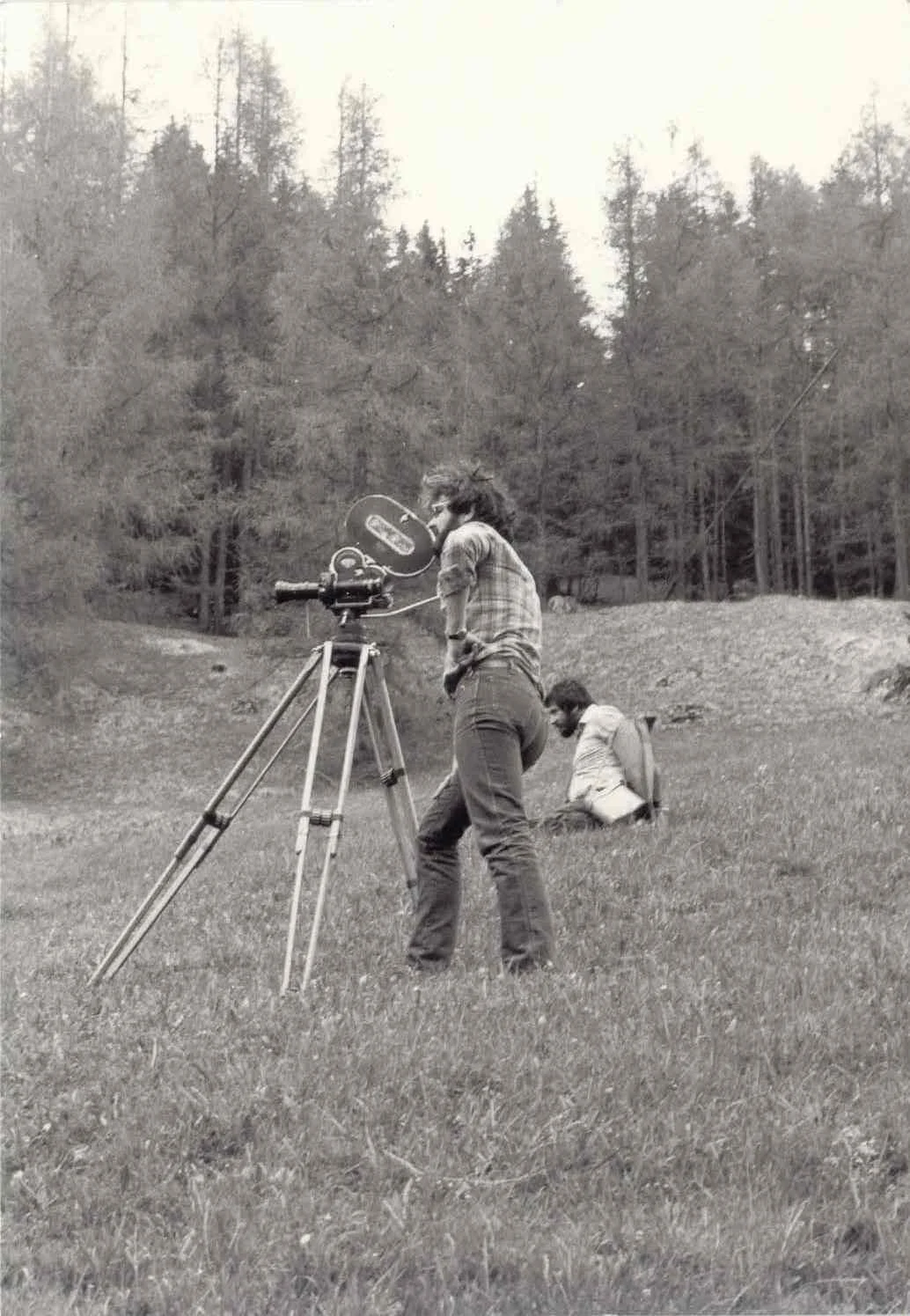
Elisabetta Salvador, known as "Lis," embodies the resilience of Alpine women. Her life, spent almost entirely in the tiny hamlet of Verra, spanned the traumas of two World Wars. Left alone to manage the stables and fields while her husband was at the front, Lis became a symbol of a rural economy built on hardship and profound respect for nature. Immortalised in renowned ethnographic films, her image—a proud woman carrying her newborn daughters in a traditional wicker basket (gerla) during haymaking—remains a vital testimony to a world that was fading as the tourism economy took hold.
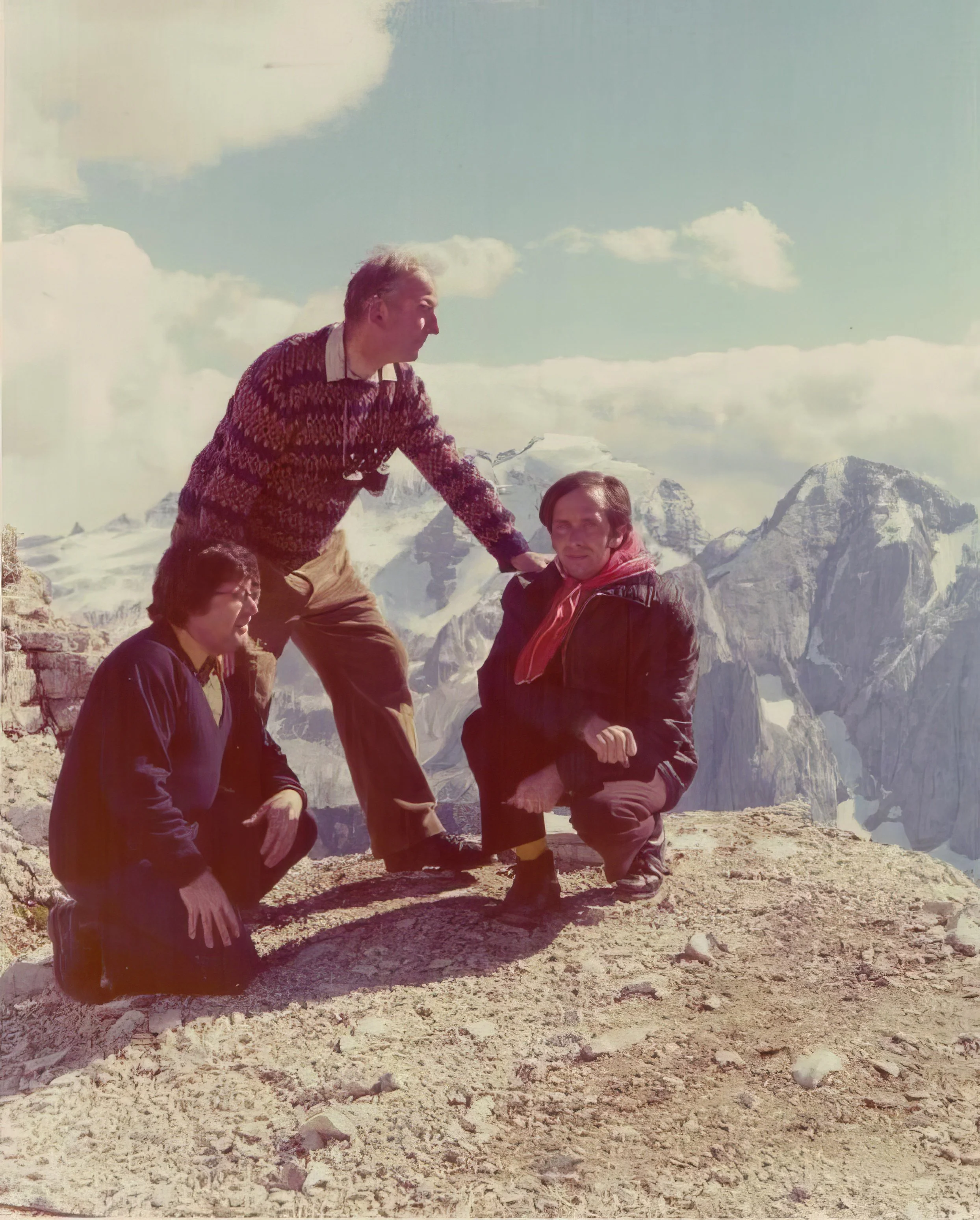
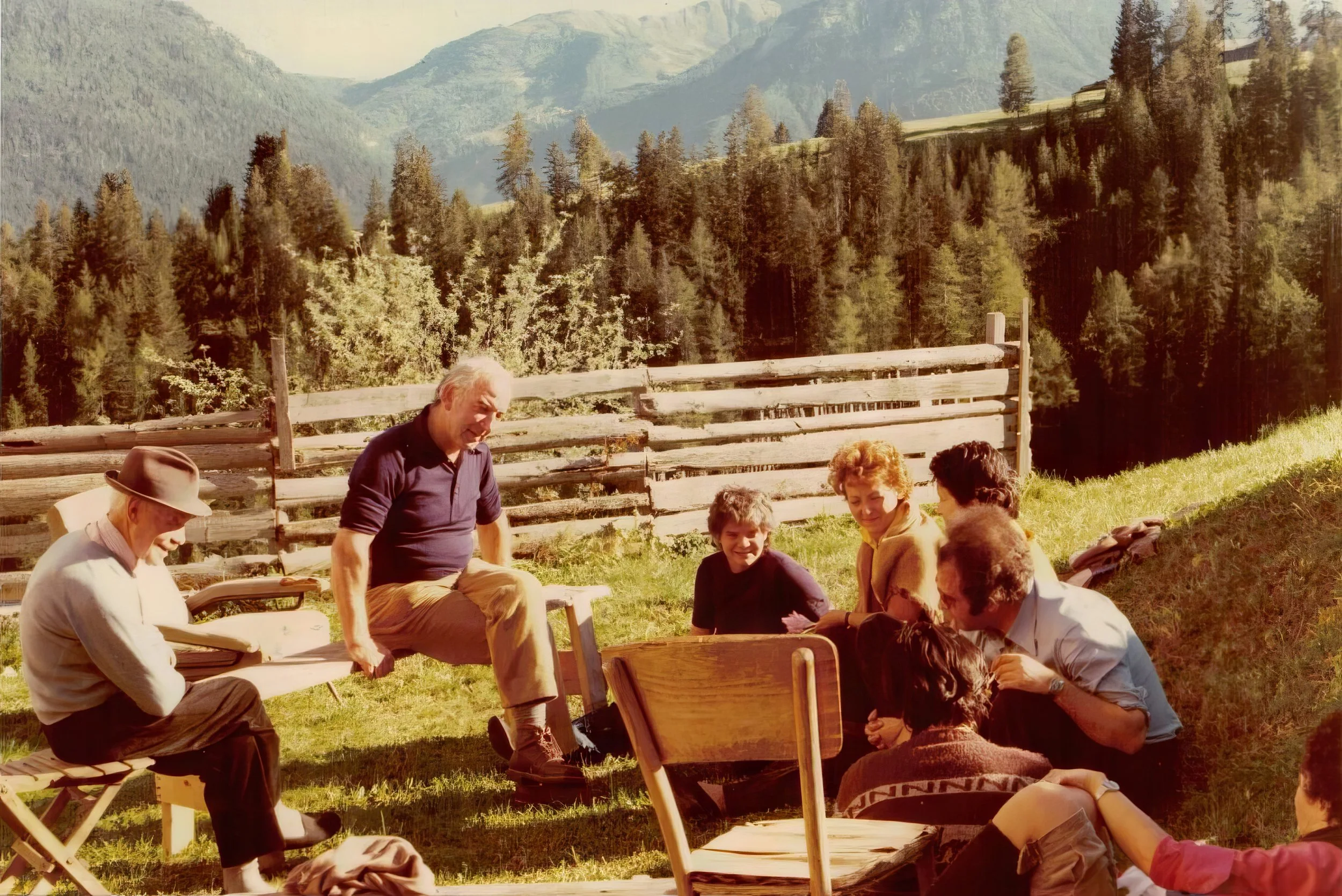
Don Gigi Vian (1925–2016): The Priest of the "Path"
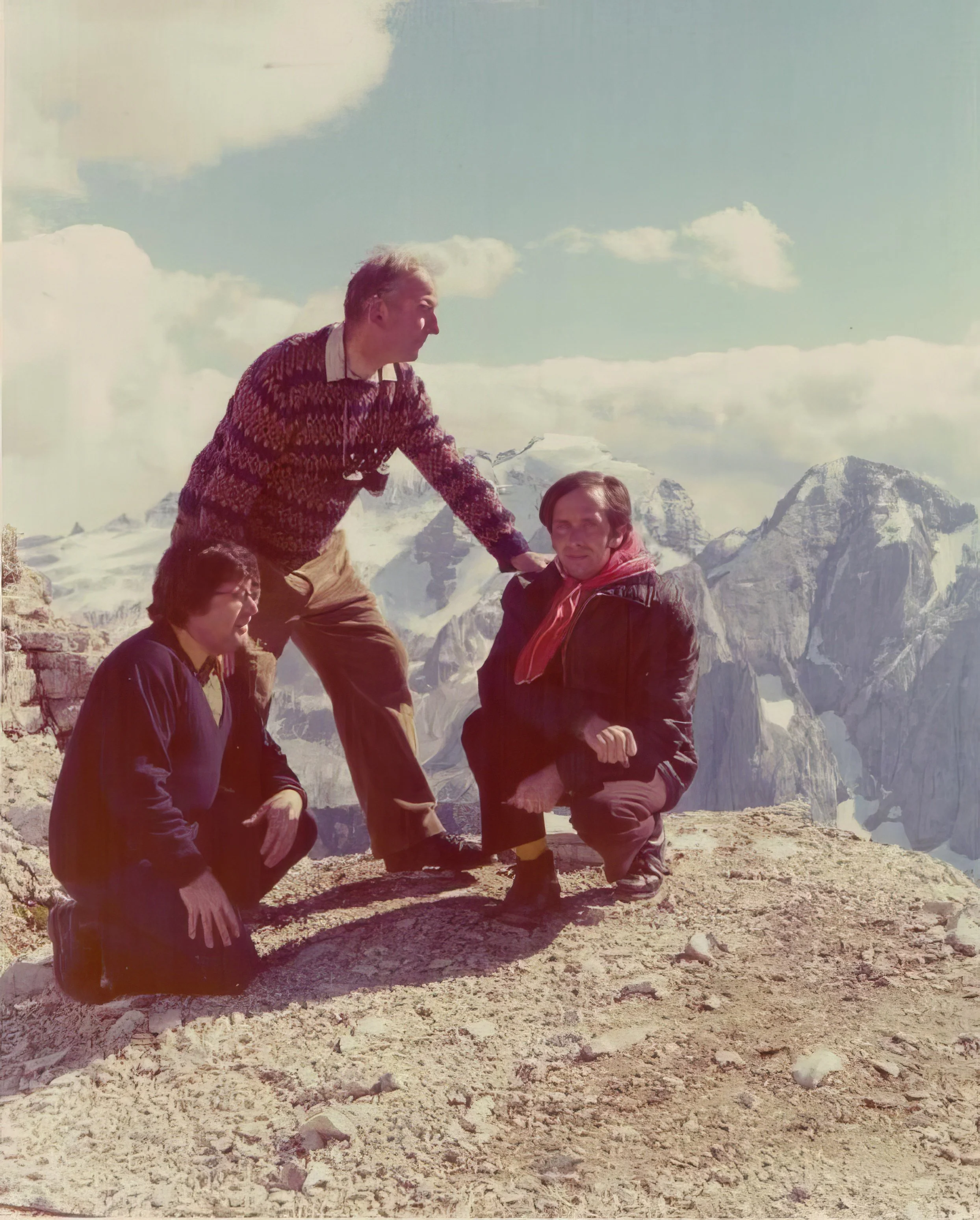
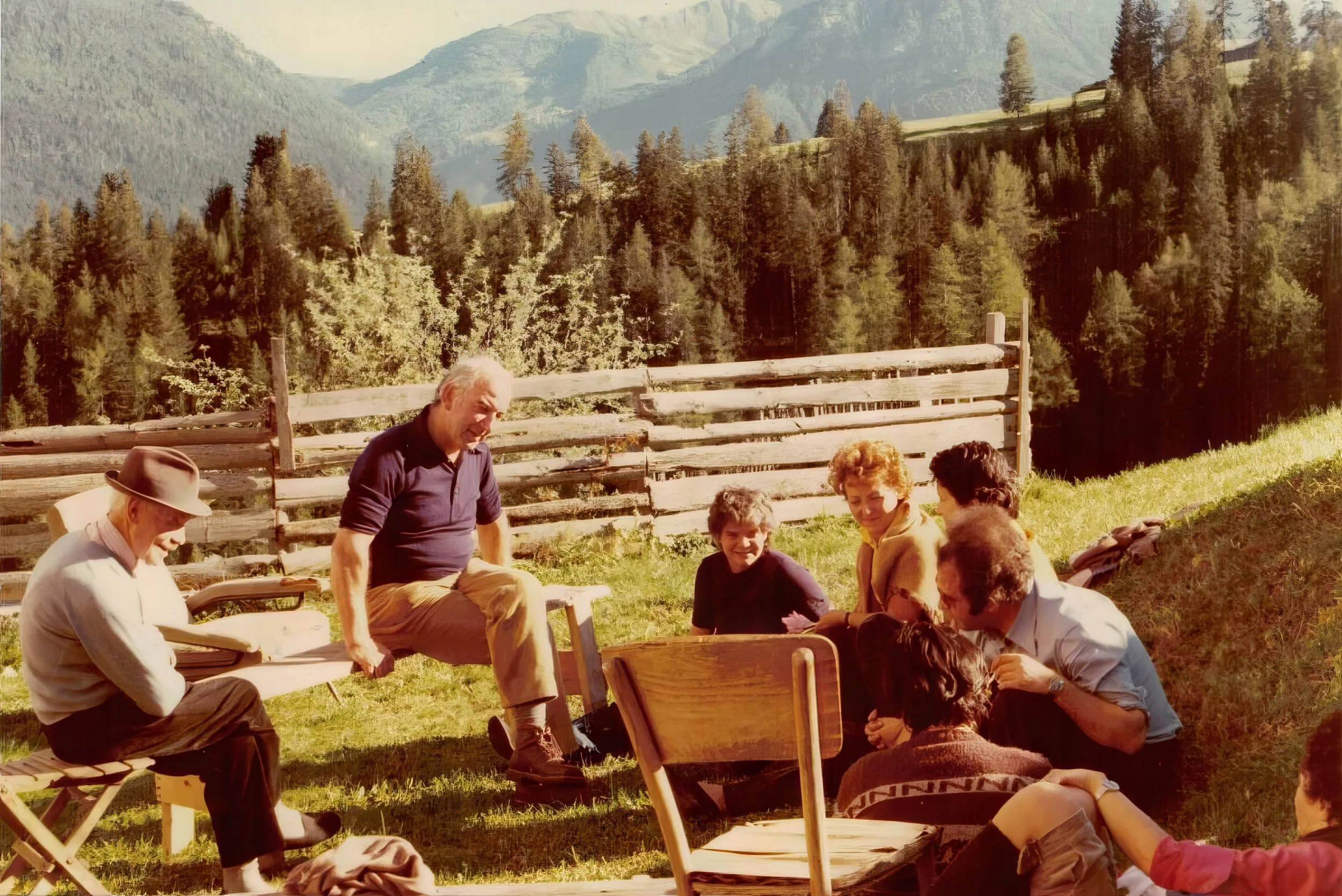
Luigi Vian represents the modern, social heart of the Fassa Valley. An unconventional priest, he dedicated his mission to the marginalised: the homeless, prisoners, and young people struggling with addiction. His philosophy was simple yet powerful: "The mountain teaches you not to give up." By bringing his youth groups to the Fassa peaks, he sought for them a path to redemption. By founding the association "L troi" (The Path), he transformed his love for his homeland into a concrete tool for social salvation.

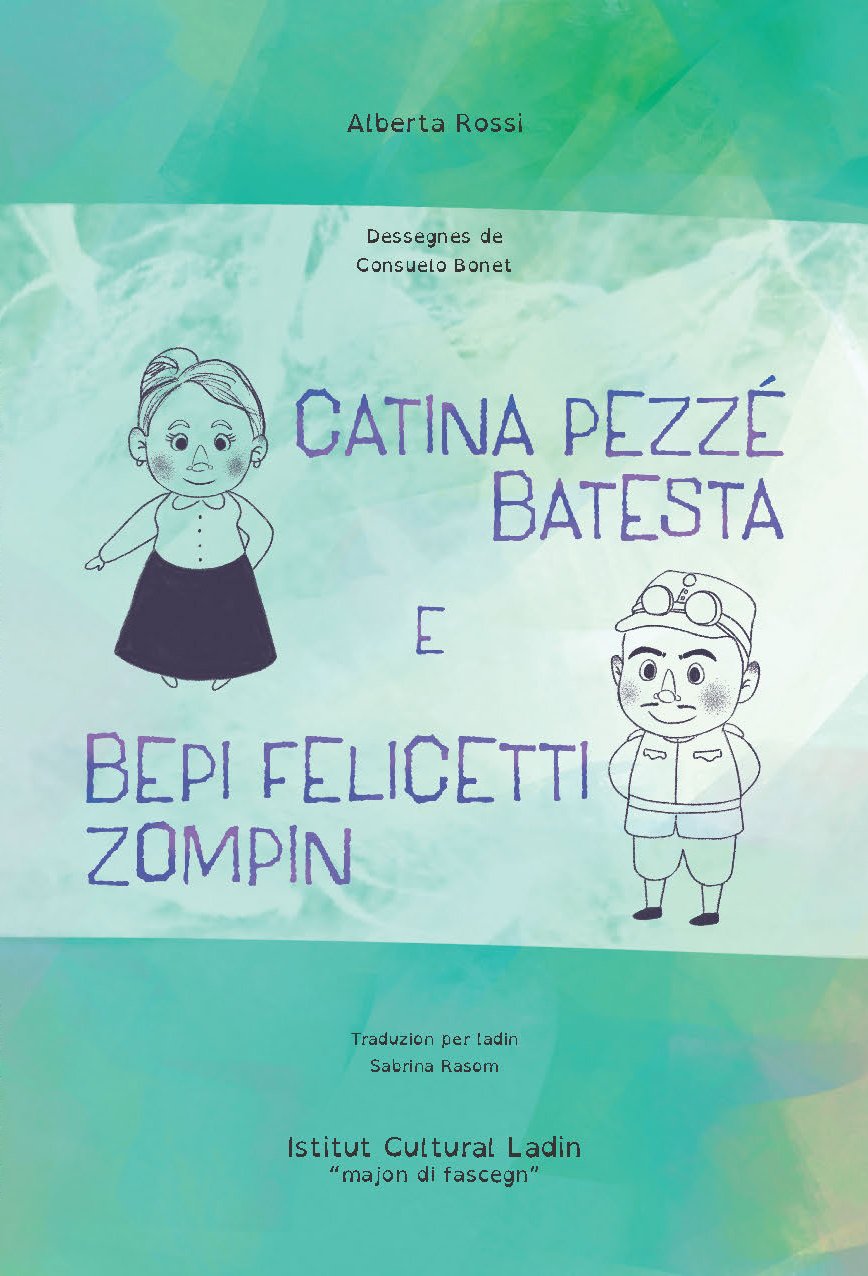
Catina and Bepi: Diaries of War and Hope
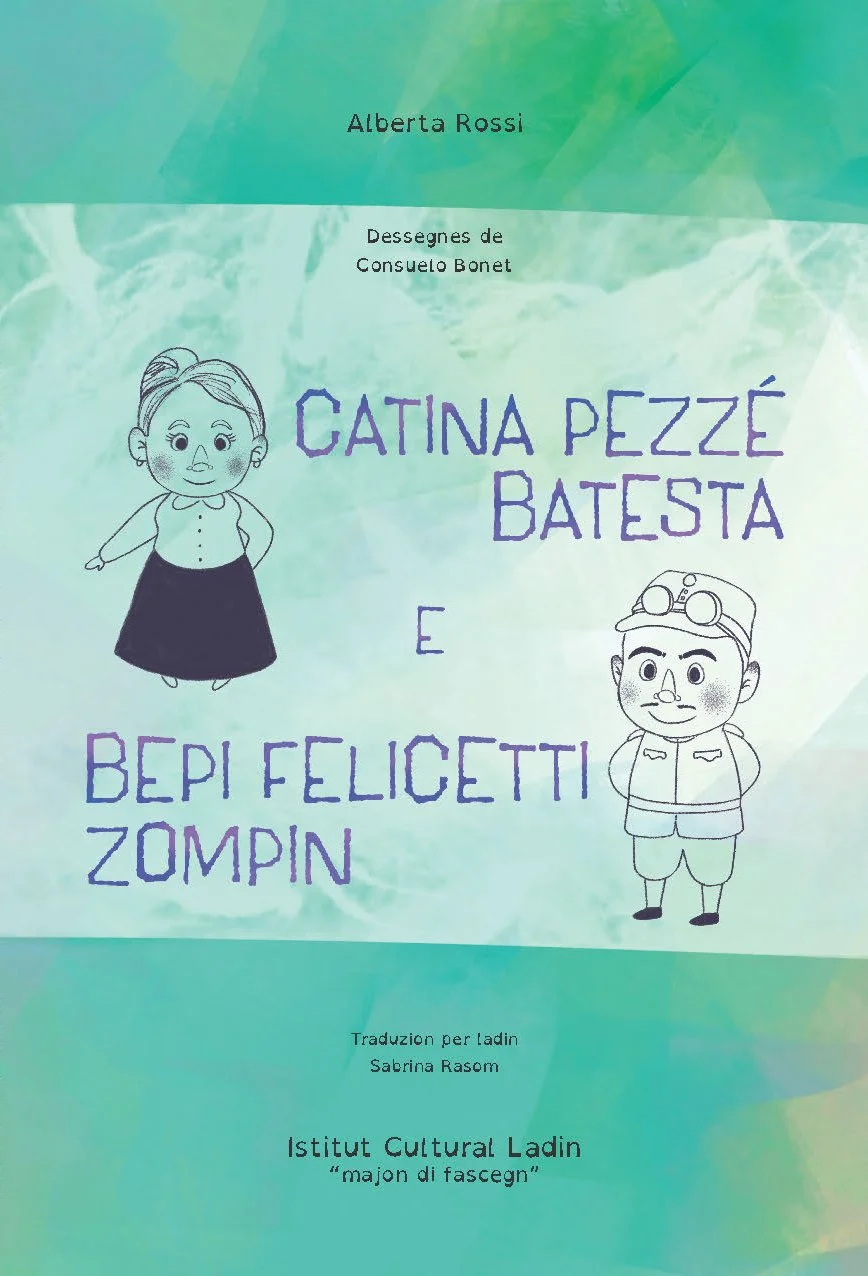
Caterina Pezzé "Batesta" and Giuseppe Felicetti "Zompin" are the voices of a shared narrative about Moena during the Great War. Through their diaries, we relive the traumatic transition from the Austro-Hungarian Empire to the Kingdom of Italy. While Bepi was forced to build military infrastructure at just 17, Catina observed the war from her family's bakery. Their parallel stories of deprivation and resilience remind us that conflict affects not only soldiers but the entire fabric of a border community.
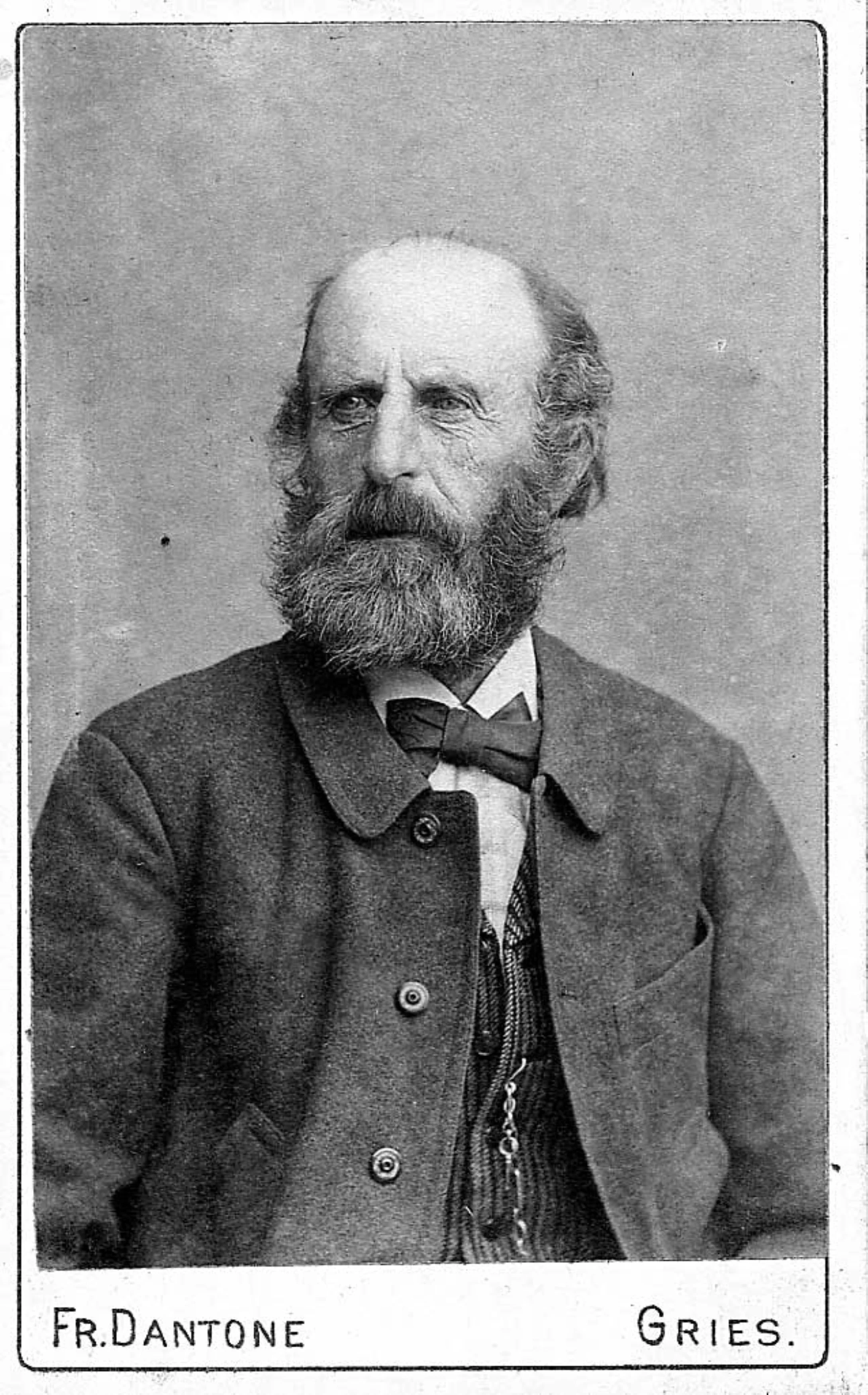
Franz Dantone "Pascalin" (1839–1909): The Eye of the Dolomites and the Soul of the Ladin Community
Franz Dantone, widely known as "Pascalin," was the first photographer of the Fassa Valley and a pivotal figure in shaping the identity of the Ladin community. His life reflects the openness and resilience of mountain people: born into a modest family in Gries di Canazei, he mastered the art of photography in Germany (Munich and Regensburg) before returning to his homeland to document its extraordinary beauty.

A Pioneer of the Image
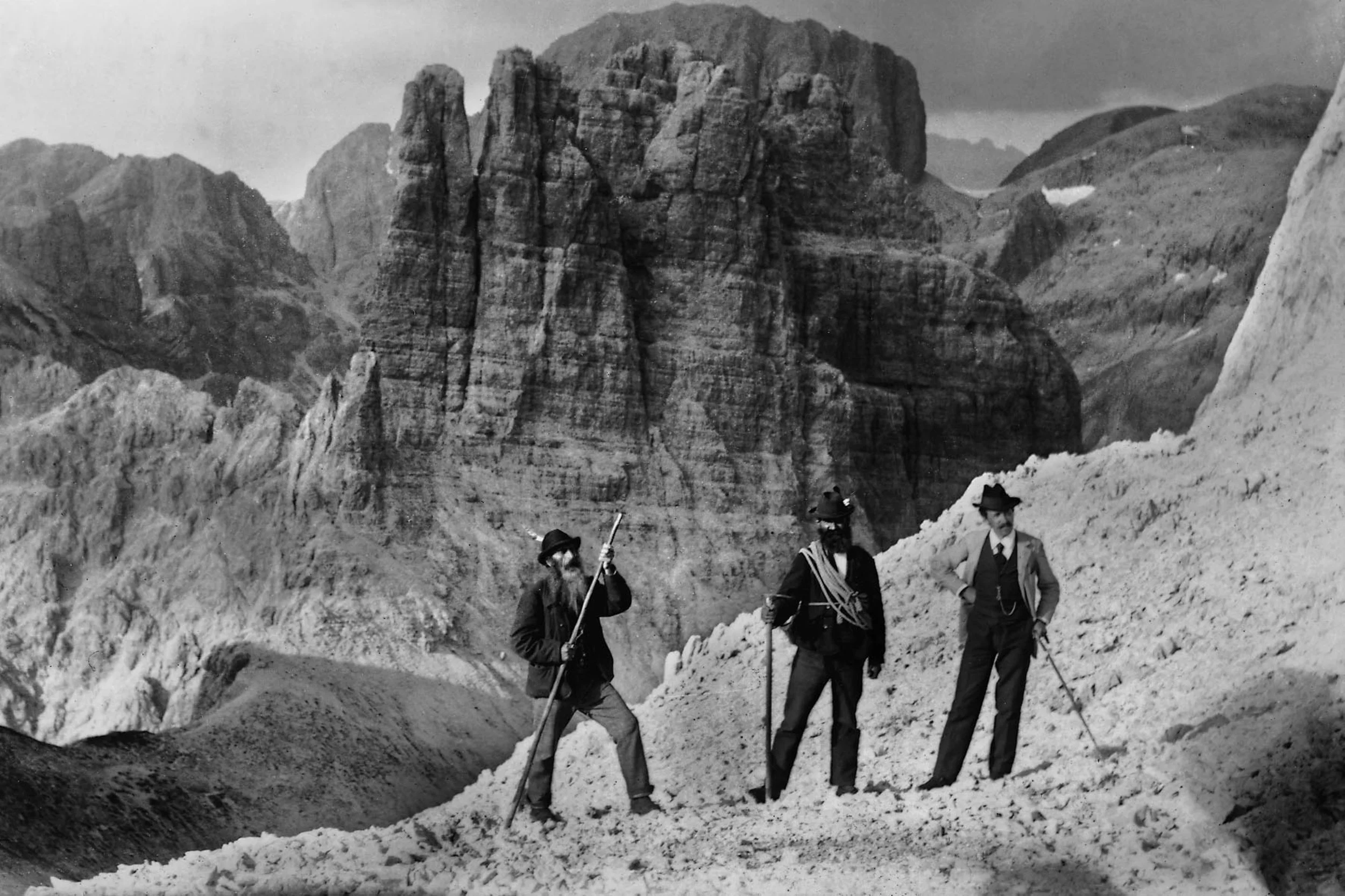
Dantone did not limit himself to capturing the imposing peaks of the Dolomites; he was among the first to immortalise the daily life and people of the valleys. By doing so, he met the artistic needs of the growing number of European travelers and mountaineers. His talent earned him prestigious international awards in Innsbruck and Salzburg, cementing his reputation far beyond local borders.
Guardian of Identity and Promoter of Development
Beyond his artistic work, Dantone was a tireless social and political activist. He founded the fire brigades of Canazei and Campitello and established the "Società della Bandiera" (Society of the Flag) to safeguard the values of Ladin culture. With extraordinary foresight, he understood that protecting language and identity had to go hand in hand with economic growth: he promoted the creation of mountain huts, trails, and infrastructure, effectively becoming the father of modern tourism in the valley.
A Legacy for the World
His archive of over a thousand images remains an invaluable heritage. The historical significance of his work is such that three of his photographs were included in the nomination dossiers that led to the Dolomites being inscribed on the UNESCO World Heritage List in 2009. Today, his figure continues to be celebrated through the DIGICHer project, dedicated to the digitisation and new understanding of the cultural heritage of minorities.
Versione italiana
Jent de Fascia: Il volto umano delle Dolomiti
La collana "Jent de Fascia" (Gente di Fassa) non è solo una serie biografica; è un atto di resistenza culturale. Attraverso libri e spettacoli teatrali, l'Istitut Cultural Ladin dà voce a quegli uomini e donne che, pur vivendo tra le vette delle Dolomiti, hanno saputo guardare lontano, diventando pilastri dell'identità ladina.
Padre Frumenzio Ghetta (1920–2014): L’archeologo dell’anima fassana
Nato Alberto Antonio Ghetta, Padre Frumenzio è stato molto più di un frate francescano. Paleografo e studioso infaticabile, ha dedicato la vita a colmare un vuoto: l'assenza della Val di Fassa dai libri di storia. Recuperando documenti dal fango delle alluvioni e leggendo antichi testi gotici, ha restituito alla sua gente radici millenarie. Dalla scoperta del sito archeologico dei Pigui alla risoluzione di secolari dispute sui confini della Marmolada, Frumenzio ha dimostrato che la lingua e la storia sono i veri simboli di un popolo. La "Majon di fascegn" (l’Istituto Culturale Ladino), da lui voluta e sostenuta, è oggi la casa di questa memoria ritrovata.

Lis dal Vera (1911–1995): La forza della terra
Elisabetta Salvador, "Lis", è l'emblema della resilienza femminile alpina. La sua vita, trascorsa quasi interamente nel minuscolo borgo di Verra, ha attraversato i traumi delle due guerre mondiali. Rimasta sola a gestire stalla e campi mentre il marito era al fronte, Lis è diventata il simbolo di un'economia rurale fatta di fatica e profondo rispetto per la natura. Immortalata in celebri film etnografici, la sua immagine — quella di una donna orgogliosa che portava le figlie neonate nella gerla durante la fienagione — rimane una testimonianza vitale di un mondo che sta scomparendo davanti all'avanzata del turismo.
Don Gigi Vian (1925–2016): Il prete del "Sentiero"
Luigi Vian rappresenta il lato moderno e sociale della Val di Fassa. Sacerdote fuori dagli schemi, ha dedicato la sua missione agli ultimi: senzatetto, carcerati e giovani tossicodipendenti. La sua filosofia era semplice ma potente: "La montagna insegna a non mollare". Portando i suoi ragazzi tra le vette fassane, cercava per loro una via di riscatto. Fondando l’associazione "L troi" (Il sentiero), ha trasformato l'amore per la sua terra in uno strumento concreto di salvezza sociale.

Catina e Bepi (2024): Diari di guerra e speranza
Caterina Pezzé "Batesta" e Giuseppe Felicetti "Zompin" sono i protagonisti di un racconto corale su Moena durante la Grande Guerra. Attraverso i loro diari, riviviamo il passaggio traumatico dall'Impero Austroungarico al Regno d'Italia. Mentre Bepi costruisce infrastrutture militari a soli 17 anni, Catina osserva la guerra dalla panetteria di famiglia. Le loro storie parallele, fatte di privazioni e resilienza, ci ricordano come il conflitto colpisca non solo i soldati, ma l'intero tessuto di una comunità di confine.
Franz Dantone "Pascalin" (1839–1909): l’occhio delle Dolomiti e l’anima della comunità ladina
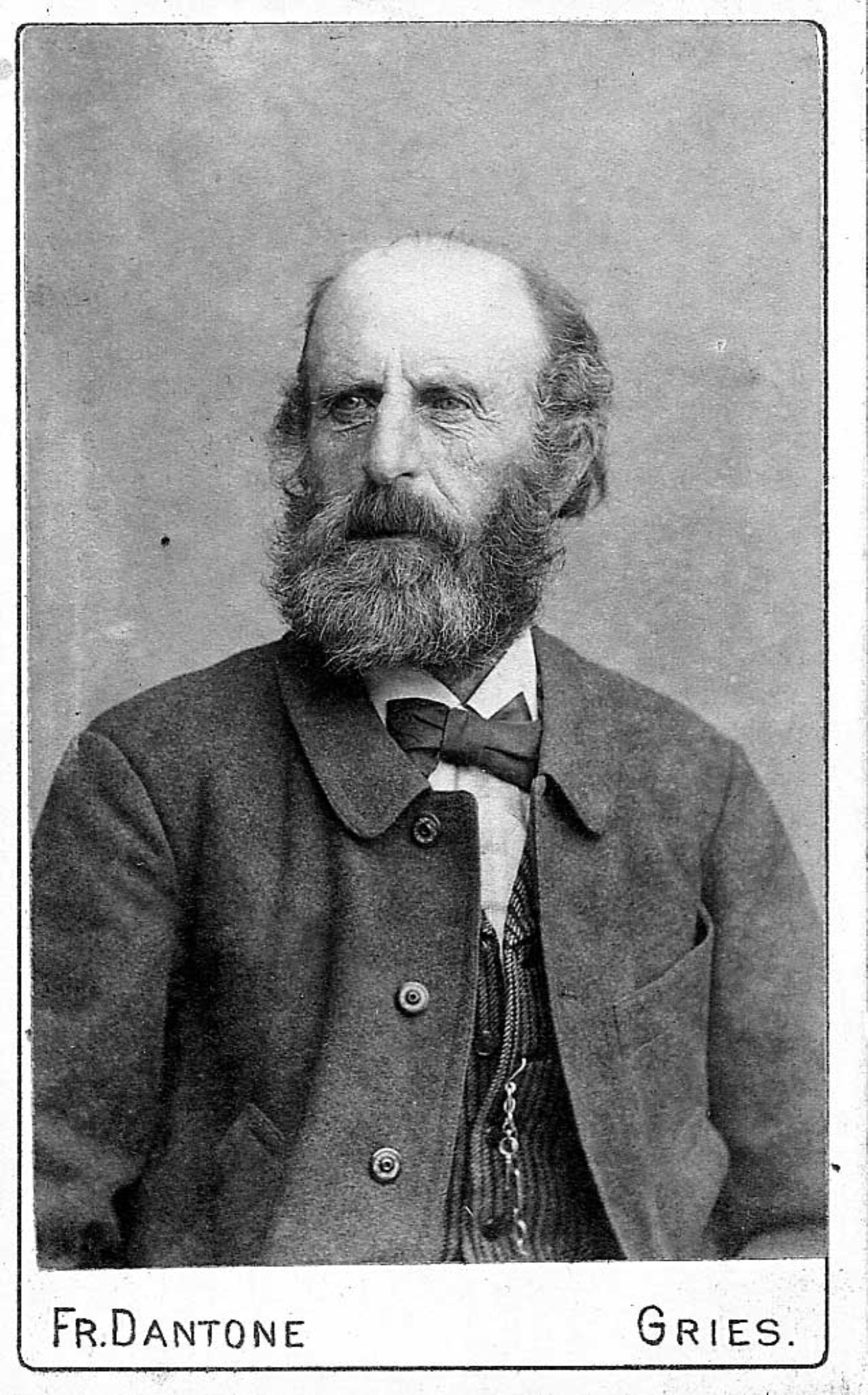
Franz Dantone "Pascalin", è stato il primo fotografo della Val di Fassa e una figura chiave per la definizione dell'identità della comunità ladina. La sua vita incarna lo spirito di apertura e resilienza delle genti di montagna: nato in una famiglia modesta a Gries di Canazei, apprese l'arte della fotografia in Germania (a Monaco e Ratisbona) prima di tornare nella sua terra natale per documentarne la bellezza straordinaria.

Un pioniere dell'immagine
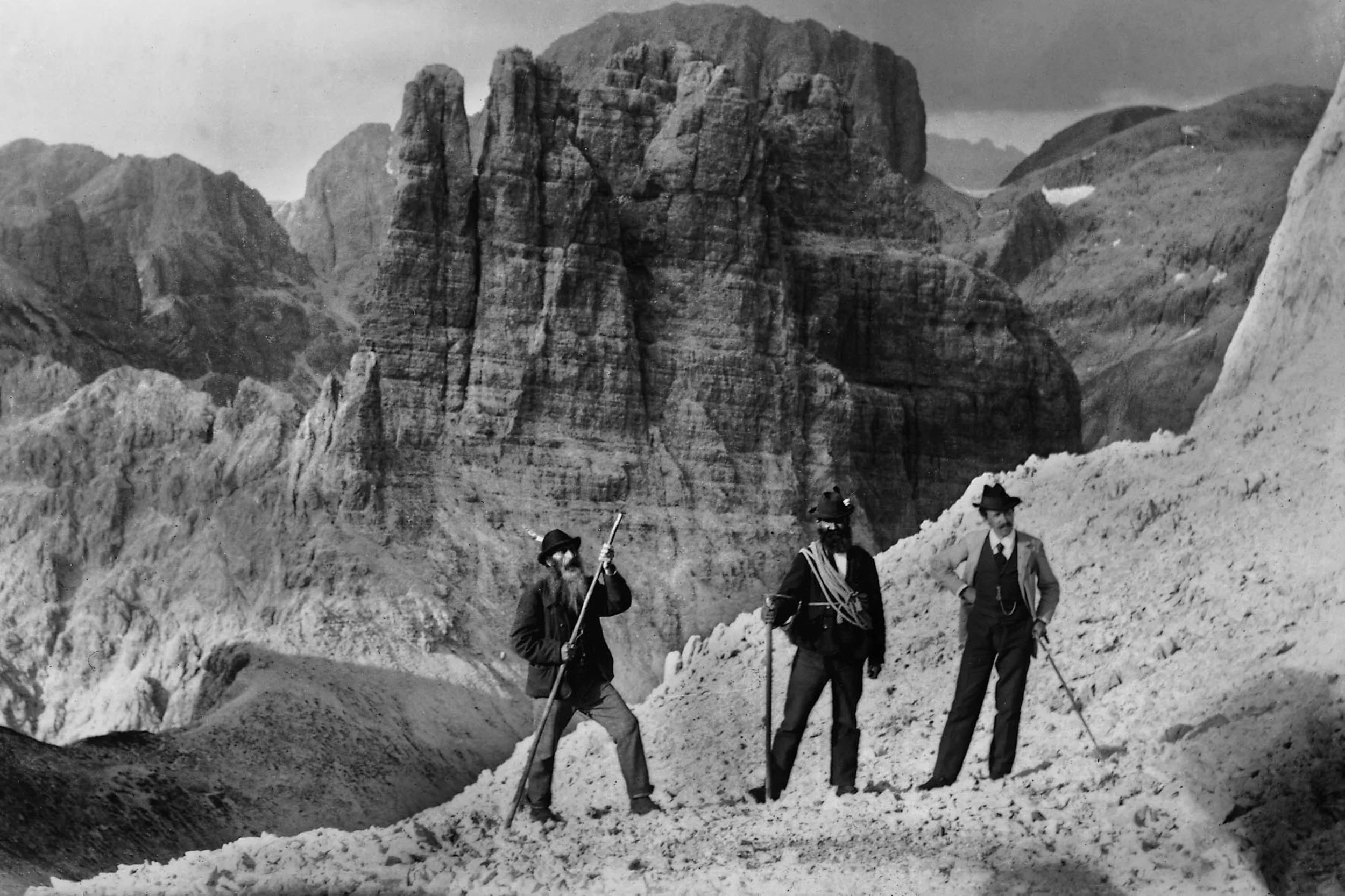
Dantone non si limitò a ritrarre le imponenti vette dolomitiche, ma fu tra i primi a immortalare la vita quotidiana e la gente delle valli, rispondendo con sensibilità artistica al nascente interesse di viaggiatori e alpinisti europei. Il suo talento gli valse prestigiosi riconoscimenti internazionali a Innsbruck e Salisburgo, consolidando la sua fama ben oltre i confini locali.
Custode dell'identità e promotore dello sviluppo
Oltre all’attività artistica, Dantone fu un instancabile attivista sociale e politico. Fondò i corpi dei vigili del fuoco di Canazei e Campitello e istituì la "Società della Bandiera" per preservare i valori della cultura ladina. Con una visione straordinariamente lungimirante, comprese che la tutela della lingua e dell'identità doveva procedere di pari passo con lo sviluppo economico: promosse la creazione di rifugi, sentieri e infrastrutture, diventando di fatto il padre del turismo moderno nella valle.
Un’eredità per il mondo
Il suo archivio di oltre mille immagini costituisce oggi un patrimonio inestimabile. L'importanza storica dei suoi scatti è tale che tre delle sue fotografie sono state incluse nei dossier per l'iscrizione delle Dolomiti nella Lista del Patrimonio Mondiale UNESCO nel 2009. Oggi, la sua figura continua a essere valorizzata attraverso il progetto DIGICHer, dedicato alla digitalizzazione e alla nuova comprensione del patrimonio culturale delle minoranze.